
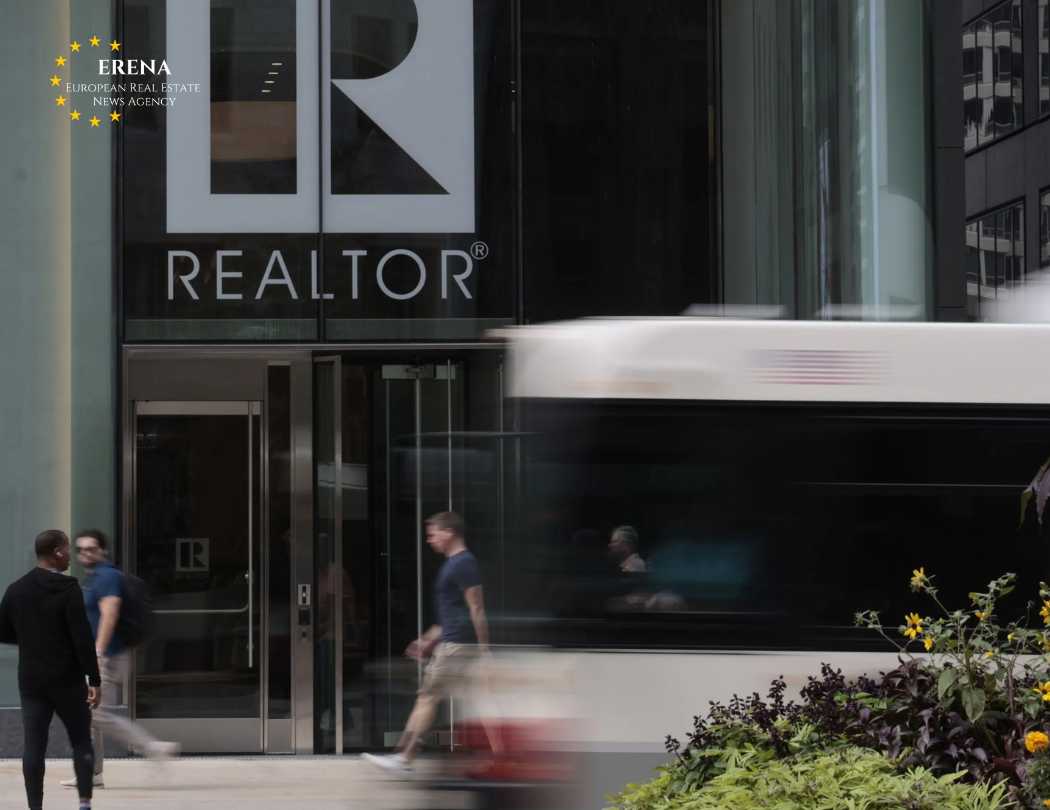
In 2024, the National Association of Realtors (NAR) spent over €86 million on lobbying efforts across the United States. This marks the highest amount ever spent by the organization and signals its intent to actively shape the real estate legal landscape.
Key Areas of Lobbying Activity
Preserving Mortgage Interest Deductions
A top priority was the preservation of the Mortgage Interest Deduction (MID). NAR successfully defended the deduction cap of €750,000, crucial for high-cost housing markets like New York, Los Angeles, and San Francisco.
Supporting First-Time Homebuyer Credit
NAR backed legislation proposing a €12,000 tax credit for first-time homebuyers. Analysts estimate that this could increase entry-level home sales by 6–8% in 2025.
Defending Traditional Commission Structures
Amid lawsuits challenging traditional commission models, NAR fought to protect the status quo. Realtor commissions in the U.S. average 5–6% of a home’s sale price — or about €15,000 to €30,000 on homes priced between €300,000 and €500,000.
Advancing Digital Real Estate Transactions
NAR also promoted digital innovation, including remote identity verification, blockchain integration, and e-notarization. These technologies could reduce transaction costs by 1–2%, saving buyers an average of €5,000 to €10,000 per purchase.
Spending Breakdown and Alliances
Of the €86 million spent:
- €48 million was directed toward federal-level lobbying (Congress, federal agencies);
- €26 million went to lobbying in state legislatures;
- €12 million funded partnerships with builders, mortgage brokers, and real estate developers.
Key partners included major homebuilders like Lennar and Toll Brothers, along with national trade groups.
Legislative Impact and Influence
More than 35 real estate-related bills were passed across the U.S. in 2024. NAR had a direct influence on 24 of them, including:
- Maintaining the mandatory agent role in MLS platforms;
- Blocking proposals for taxing unrealized property gains;
- Enhancing property rights protections in redevelopment zones.
On average, every €1 million spent resulted in direct influence on 10 legislative initiatives, demonstrating the cost-efficiency of NAR’s lobbying strategy.
Public Backlash and Policy Challenges
Despite its successes, NAR’s aggressive lobbying drew criticism:
- Lack of transparency in commission structures;
- Sustained high entry costs for homebuyers;
- Concerns about excessive influence by trade associations.
Several lawmakers proposed new regulations to limit lobbying by nonprofit organizations and to require greater transparency in industry influence.
Global Relevance and European Echoes
Although NAR operates within the U.S., its strategies are influencing global real estate practices. Countries like Germany, France, and the Netherlands are now considering reforms similar to those promoted by NAR, including digital registry systems and commission regulation.
Meanwhile, American brokerages affiliated with NAR are expanding into European markets through subsidiaries and joint ventures.
Conclusion
NAR poured €86M into lobbying to shape 2024 real estate laws, achieving major policy wins on mortgage tax benefits, digital innovation, and commission protection. These efforts strengthened the position of real estate professionals amid regulatory changes.
Still, the debate over balancing industry protection with consumer fairness continues. For real estate policymakers and associations worldwide, NAR’s example offers both a model and a cautionary tale on how to influence — and navigate — modern housing legislation.