
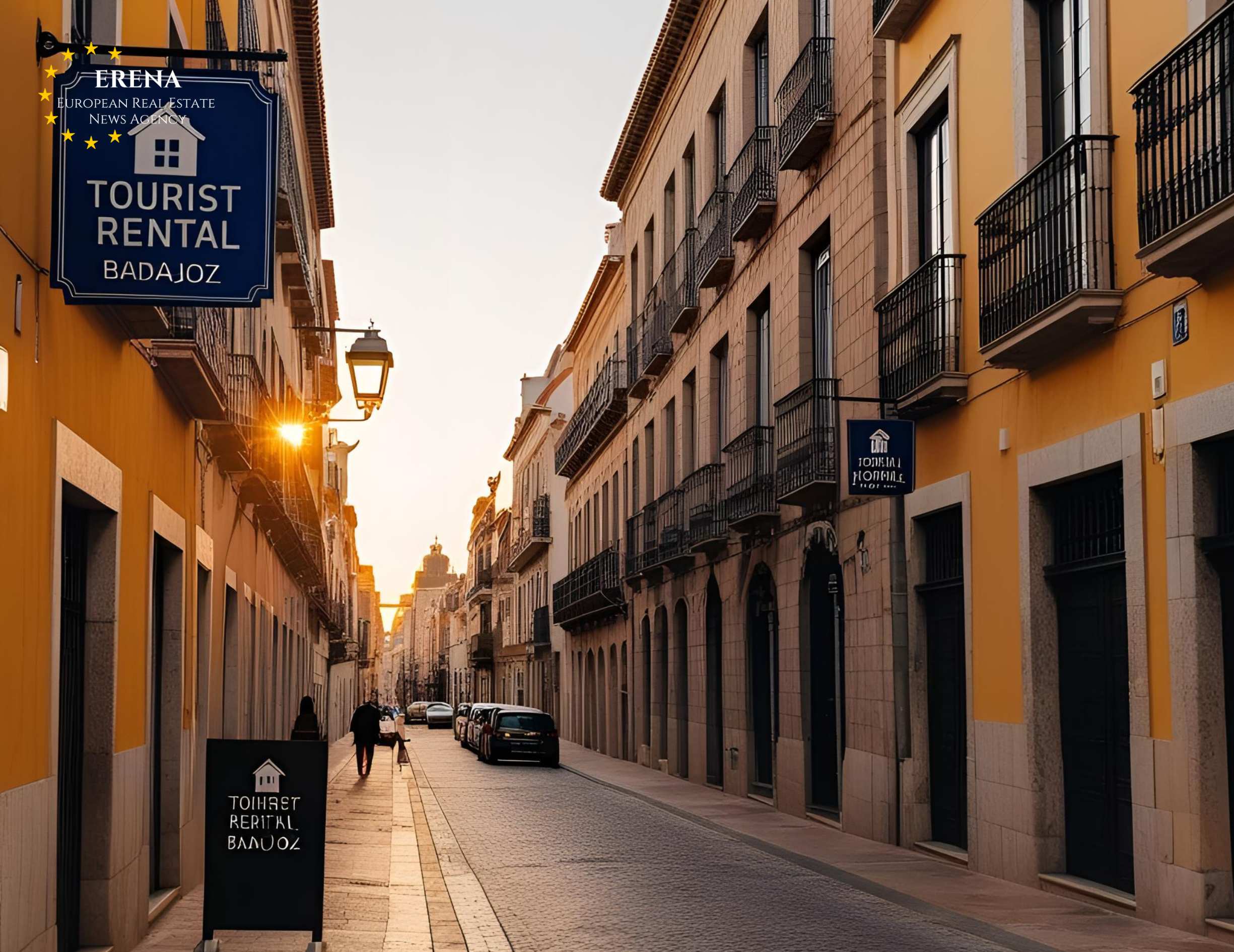
The short-term rental sector in Spain is undergoing a phase of transformation, and the city of Badajoz, located in the Extremadura region, is no exception. In 2025, local authorities introduced new regulations to better balance the interests of investors, tourists, and residents. These measures respond to the rapid growth of vacation rentals, particularly in the historic center and areas with developed infrastructure.
For property owners, investors, and tenants, understanding these new regulations is essential to adapt strategies, remain compliant, and protect income streams.
Short-Term Rental Market in Badajoz in 2025
Badajoz is a major border city in southwestern Spain, close to Portugal. In recent years, it has become an attractive destination for travelers interested in history, gastronomy, and low-cost tourism away from traditional hotspots.
Until 2024, the short-term rental market (via platforms like Airbnb or Booking) grew with minimal restrictions. This led to a shift of many long-term rentals into tourist use, especially in districts such as Casco Antiguo, San Roque, and Valdepasillas.
As of early 2025, Badajoz has over 1,200 registered tourist rental properties, a 28% increase compared to 2023.
Key New Regulations in 2025
Starting January 2025, Badajoz implemented stricter municipal regulations aligned with regional guidelines from Extremadura. The most notable changes include:
Mandatory Registration and Licensing
All short-term rental units must be registered in the regional tourism registry. Listings on digital platforms are prohibited without a valid license. Fines for non-compliance can reach €12,000.
Zoning Restrictions
Zoning laws have been introduced. In the historic center, licenses are capped, and new registrations must meet specific spacing criteria from existing licensed units.
Minimum Quality Standards
All tourist properties must include:
- Independent private entrance (no shared rooms),
- Smoke detectors and emergency plans,
- Civil liability insurance with minimum coverage of €300,000.
Owner Property Limits
A maximum of three properties per owner is allowed within city limits to prevent mass acquisition for speculative tourist use.
Tourist Tax
A nightly tourist tax of €1.50 per person (up to 7 nights) is now mandatory. The property owner is responsible for collecting and remitting this tax to the municipality.
Rental Yields and Price Overview
| Metric | Value |
|---|---|
| Average nightly rate | €64 |
| Average occupancy rate | 68–72% |
| Average monthly rental income | €1,300–€1,500 |
| Gross annual yield | 7.5–9% |
| Operating and tax costs | Approx. 20–25% of gross rent |
The most in-demand units are 1–2 bedroom apartments in the city center or near attractions. New developments in Valdepasillas also attract interest thanks to modern finishes and easy parking.
Property Prices in Badajoz in 2025
| Property Type | Average Price (€) | Average Price/m² (€) |
|---|---|---|
| Apartment (1–2 bedrooms) | €95,000 – €135,000 | €1,250 – €1,500 |
| Townhouse | €160,000 – €210,000 | €1,400 – €1,700 |
| New Build (Valdepasillas) | From €170,000 | €1,800 – €2,100 |
| Historic Center Apartments | From €120,000 | €1,900 – €2,300 |
Compared to southern regions like Andalusia or the Costa Blanca, real estate in Badajoz remains affordable — making it attractive to entry- and mid-level investors.
How to Adapt to the New Framework
Legal Due Diligence and Licensing
Before purchasing a property, check the area’s eligibility for new licenses. In some zones, no additional licenses are being granted or they are limited by density rules.
Choosing the Right Location
Investors should focus on areas with license availability or near strong demand points, such as San Roque, Cerro de Reyes, and Pardaleras.
Mixed Rental Strategy
Many property owners in 2025 are opting for a mixed model — short-term rentals during high season, long-term leases in winter. This provides more stable income and better compliance with regulations.
Emphasis on Quality and Reviews
With increasing enforcement and customer expectations, professional management, cleanliness, proper documentation, and responsiveness are key to maintaining strong occupancy rates.
Market Outlook
Authorities are expected to maintain the cap on new licenses while stepping up enforcement against unregistered properties. Anticipated consequences include:
- Reduced competition in saturated zones,
- Gradual increase in nightly rates (expected to rise to €68–70),
- Shift in demand toward serviced units and energy-efficient properties,
- More balanced tourism model with reduced housing pressure on locals.
The government’s goal is to build a more sustainable rental ecosystem and discourage speculative real estate acquisitions.
Conclusion
Tourist rentals in Badajoz remain profitable in 2025, but require greater attention to legal and regulatory details. Property owners and investors must adapt to the evolving framework to stay competitive and compliant.
For private investors, Badajoz still offers solid opportunities: relatively low prices, rising domestic tourism, proximity to Portugal, and a favorable tax environment. Long-term success will depend not on scale, but on strategic adaptation — aligning with market trends, legal norms, and the growing preference for quality, sustainability, and responsible tourism.