
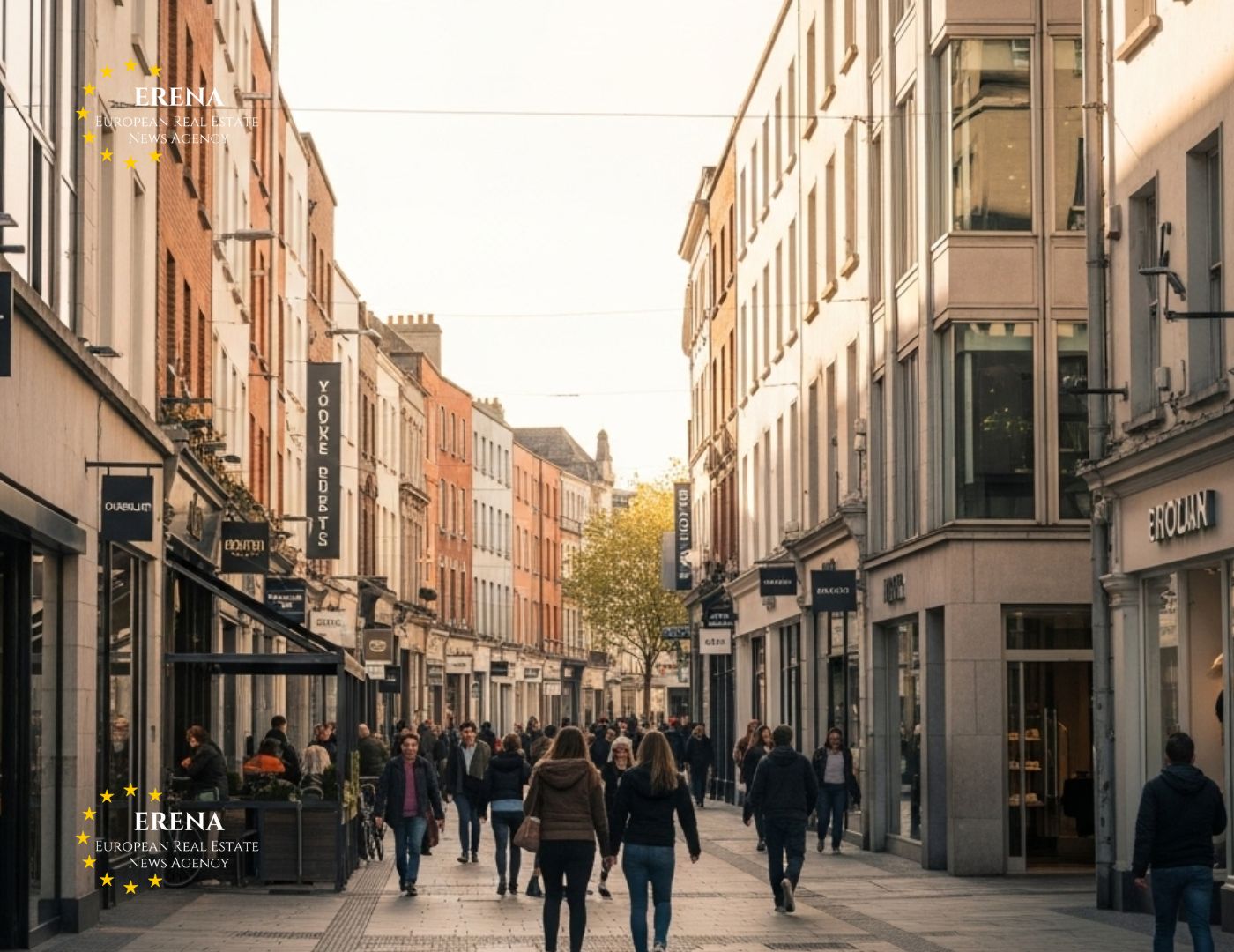
A €120 million retail property portfolio in Dublin has become the focus of heightened interest from international investors. Amid growing appeal of the Irish capital as a stable European hub, income-generating assets—especially in the retail sector—are attracting significant demand from foreign funds, institutional players, and private investors.
Deal Overview
The portfolio includes a number of commercial properties located along key Dublin streets—such as Grafton Street and Henry Street—as well as in popular shopping districts and pedestrian zones. The total area exceeds 15,000 square meters, with current tenants including both international and national retail brands. These range from fashion and electronics stores to pharmacies and cafés.
The assets offer a stable yield in the range of 6–7% annually, which is above the Eurozone average. In an environment of ongoing stock market volatility and inflation concerns across the EU, such properties are seen as safe, defensive investments.
Global Interest
Main prospective buyers include investors from the U.S., Germany, France, Singapore, and Saudi Arabia. According to market insiders, the most active bidders are pension funds, REITs, and private equity firms focused on long-term income strategies.
Interestingly, about 70% of the interested parties have never invested in Irish commercial real estate before. This highlights Dublin’s rising strategic value in the eyes of global capital, especially in the context of asset diversification.
Why It’s Attractive
Ireland’s Economic Stability
Ireland continues to show strong economic growth despite geopolitical uncertainties. The country’s GDP rose by 3.5% in 2024, and forecasts for 2025 estimate growth at 4.2%. The low corporate tax rate (12.5%) remains a key draw for multinational companies and real estate investors alike.
Tourism Recovery and Retail Rebound
With global tourism recovering post-pandemic, Dublin’s retail sector is bouncing back. Passenger traffic at Dublin Airport has exceeded 30 million annually, and tourist numbers have returned to pre-COVID levels. This is directly boosting retail sales and, in turn, rental income.
Limited Supply of Quality Assets
Central Dublin has a limited supply of high-quality, energy-efficient investment properties with long-term leases and stable tenant bases. This portfolio is particularly valuable due to its updated facilities, ESG compliance, and long-term agreements with blue-chip tenants.
Pricing and Yield
The average price per square meter across the portfolio is approximately €8,000—still lower than equivalent prime retail assets in Paris or Amsterdam. Expected annual rental yields range from 6% to 7.5%, depending on the specific asset.
Most tenants have long-term leases with indexed rent increases, ensuring predictable cash flow and reducing exposure to market volatility.
Risk Assessment
Despite the positive outlook, investors are mindful of potential risks:
- Retail digitalization: E-commerce continues to grow, and physical stores must adapt to remain competitive.
- Political uncertainty: While Ireland is stable, the lingering effects of Brexit and evolving EU migration policy could affect retail dynamics.
- Changing lease models: Some tenants seek hybrid lease structures, including turnover-based rent, which may impact income stability.
Nevertheless, the current tenant mix shows strong financial performance and resilience, minimizing the risk of defaults or vacancies.
Competitive Bidding
According to brokers Savills and JLL, who are managing the sale, interest has exceeded initial expectations. Final bidders reportedly include a Singaporean sovereign fund, a German pension fund, and a major UK-based REIT. A final agreement could be reached by the end of Q3 2025.
Local Implications
Local authorities express cautious optimism regarding the influx of international capital. On the one hand, investment supports infrastructure upgrades and employment in the service sector. On the other hand, rising asset values could pressure small businesses unable to compete with major brands.
At the same time, foreign investment may help modernize outdated retail stock, introduce sustainable building technologies, and enhance cultural diversity in retail offerings.
Market Outlook
Overall, Dublin’s commercial real estate market is showing signs of recovery in 2025. After reduced activity in 2020–2022, deals are picking up, especially for high-quality retail properties. According to Cushman & Wakefield, retail investment volumes could exceed €1.2 billion in 2025—up 25% from 2024.
There is also growing interest in mixed-use developments (retail + residential + office), which may drive the next investment wave once this portfolio is acquired.
Conclusion
The €120 million Dublin retail portfolio has become a landmark asset on the European stage, drawing attention from major international players. It offers a blend of stable income, prime location, and strong property management. In a competitive global investment climate, Dublin retail has emerged as more than just a trend—it reflects growing confidence in Ireland’s economy and consumer market.
If the deal closes at the top valuation, it will rank among Ireland’s largest retail property transactions in the past five years and could set a new benchmark for future investments.