
Sustainability has become a key concept not only in environmental advocacy but also in the real estate sector. More and more homeowners and investors are realizing that green upgrades are not only good for the planet—they can also significantly increase property value and deliver a measurable financial return. Amid rising energy prices and tightening energy-efficiency regulations, investing in sustainable housing is more relevant than ever.
Why Are Green Upgrades Important?
Improvements that reduce energy consumption, CO₂ emissions, and water usage form the foundation of sustainable housing. They enhance a property’s environmental reputation, reduce operating costs, and make homes more comfortable. According to the European Environment Agency, properties with high energy-efficiency standards are valued 5–15% higher than similar homes without these features.
Key Green Upgrades and Their Profitability
1. Insulation and Thermal Efficiency
Investing in proper insulation for walls, roofs, and floors can dramatically reduce heat loss. In colder climates, such upgrades can cut heating costs by 20–40%. With installation costs ranging from €5,000 to €15,000, payback periods average 5–8 years.
2. Energy-Efficient Windows and Doors
Replacing old windows with double- or triple-glazed models preserves indoor temperature and improves soundproofing. Costs per window range from €400 to €1,000, with potential energy savings up to €300 per year for a mid-sized home.
3. Solar Panels and Renewable Energy
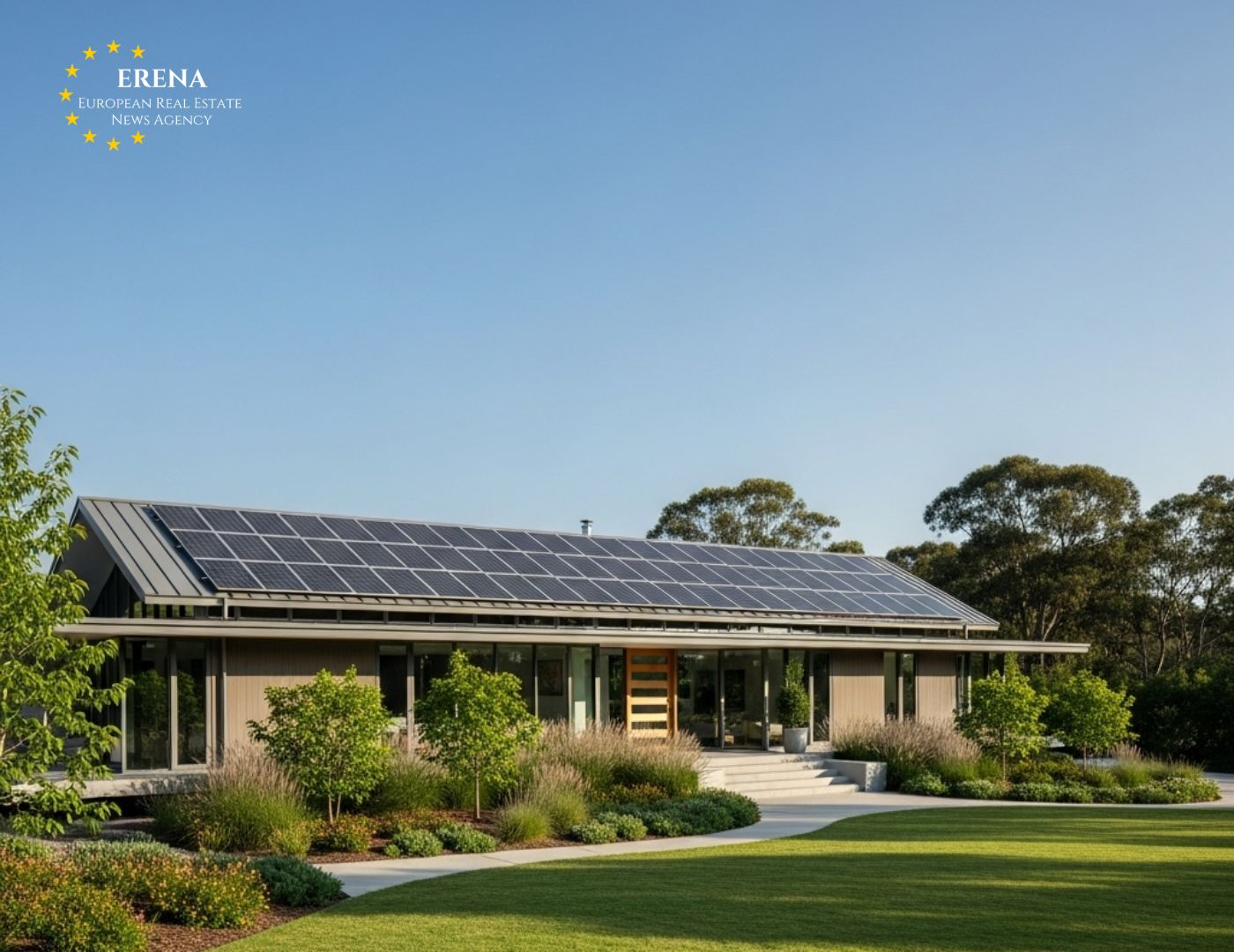
Installing solar panels remains one of the most visible and impactful green investments. Despite initial costs of €8,000 to €15,000, the return on investment is typically realized within 7–12 years—especially with government subsidies. Some systems allow owners to sell excess electricity back to the grid.
4. Heat Pumps
Heat pumps are gaining popularity across Europe as an alternative to gas boilers. Installation costs range from €10,000 to €18,000, but they can reduce heating and cooling bills by up to 50%. In areas with high gas prices, the payback period ranges from 6 to 10 years.
5. Water-Saving Technologies
Low-flow aerators, greywater recycling systems, and efficient faucets can reduce water consumption by 30–50%. These installations typically cost €500–€3,000 and pay for themselves in 3–5 years, particularly in regions with expensive water utilities.
6. Smart Home Systems
Automation for lighting, heating, and air conditioning helps avoid energy waste. Smart thermostats and climate control systems can cut energy usage by up to 20%. Prices start around €300, with payback periods of 2–4 years.
Impact on Property Value
Green improvements significantly boost a property’s market appeal. According to JLL, homes with A or B energy-efficiency ratings sell for about 10% more than similar homes with lower ratings. These properties also sell faster—by as much as 20–30%.
Sustainability as an Investment Strategy
Sustainable real estate is becoming a major trend in investment portfolios, especially among institutional investors and pension funds. Demand for energy-efficient rental properties is growing, particularly among young professionals and families. Green homes are easier to rent out and tend to generate more stable returns.
Government Subsidies and Tax Incentives
Many EU countries offer support programs, including direct subsidies for solar installations and tax breaks for energy-efficiency upgrades. In Germany, France, and the Netherlands, these programs can cover 30–50% of project costs.
Potential Risks and Limitations
Despite the advantages, there are some challenges to consider:
- High upfront costs
- Technical compatibility issues in older homes
- Restrictions on historical or protected buildings
However, these risks can often be mitigated through careful planning and use of available support programs.
Conclusion
Green upgrades are not only an environmentally responsible choice—they’re also a smart financial investment. In the short term, they reduce utility costs; in the long term, they increase a property’s liquidity and market value. For both private homeowners and professional investors, green strategies are becoming a key element of sustainable growth and real estate competitiveness.