

Across Europe and North America, second homes are no longer treated as a harmless lifestyle choice or a side effect of wealth. Properties that sit empty for much of the year are increasingly framed by city governments as a structural distortion of housing markets under strain — removing supply from long-term rental pools, inflating prices, and intensifying political pressure in cities already struggling with affordability.
What has changed is not the diagnosis but the response. Instead of soft incentives or moral appeals, municipalities are deploying hard fiscal tools. Doubled annual property taxes, explicit second-home surcharges, vacancy penalties, and value-based levies are turning non-primary ownership into a clearly priced policy decision rather than a neutral private preference. Housing that is not lived in is no longer invisible.
Why Second Homes Have Moved to the Centre of Housing Policy
The logic behind this shift is consistent across borders. In markets where housing demand structurally exceeds supply, second homes represent visible scarcity. Apartments used a few weeks a year stand empty while key workers are priced out, commuting distances lengthen, and political tolerance erodes. Targeting second homes has therefore become one of the most efficient policy levers available. Unlike rent controls or broad-based tax rises, these measures affect a smaller, clearly defined group, are easier to defend publicly, and can be linked directly to funding affordable housing or local services. Across advanced economies, housing is being redefined as infrastructure rather than a passive store of value.
Wales: Europe’s Hardest Line on Second Homes

No European jurisdiction has moved faster or further than Wales. Local councils have been granted broad powers to apply Council Tax premiums on properties that are not a main residence, and several have pushed those powers to the limit, particularly in coastal and rural communities where second homes have hollowed out local housing supply.
In Cardiff, second homes are now subject to a 100% premium, effectively doubling the annual Council Tax bill. A property that would normally incur around £3,000 a year now costs roughly £6,000 (≈€6,930) simply to hold, before maintenance or insurance are taken into account. The tax has become a material annual drag rather than a symbolic surcharge.
The signal is even stronger in Gwynedd, a coastal and rural area with one of the highest concentrations of holiday homes in the UK. There, the premium reaches 150%, pushing the same £3,000 baseline toward £7,500 a year (≈€8,660). Local authorities have been explicit that the aim is behavioural: to force properties back into permanent occupation through sale or long-term rental rather than allow them to sit empty for much of the year.
Scotland: Edinburgh Normalises the Double Rate
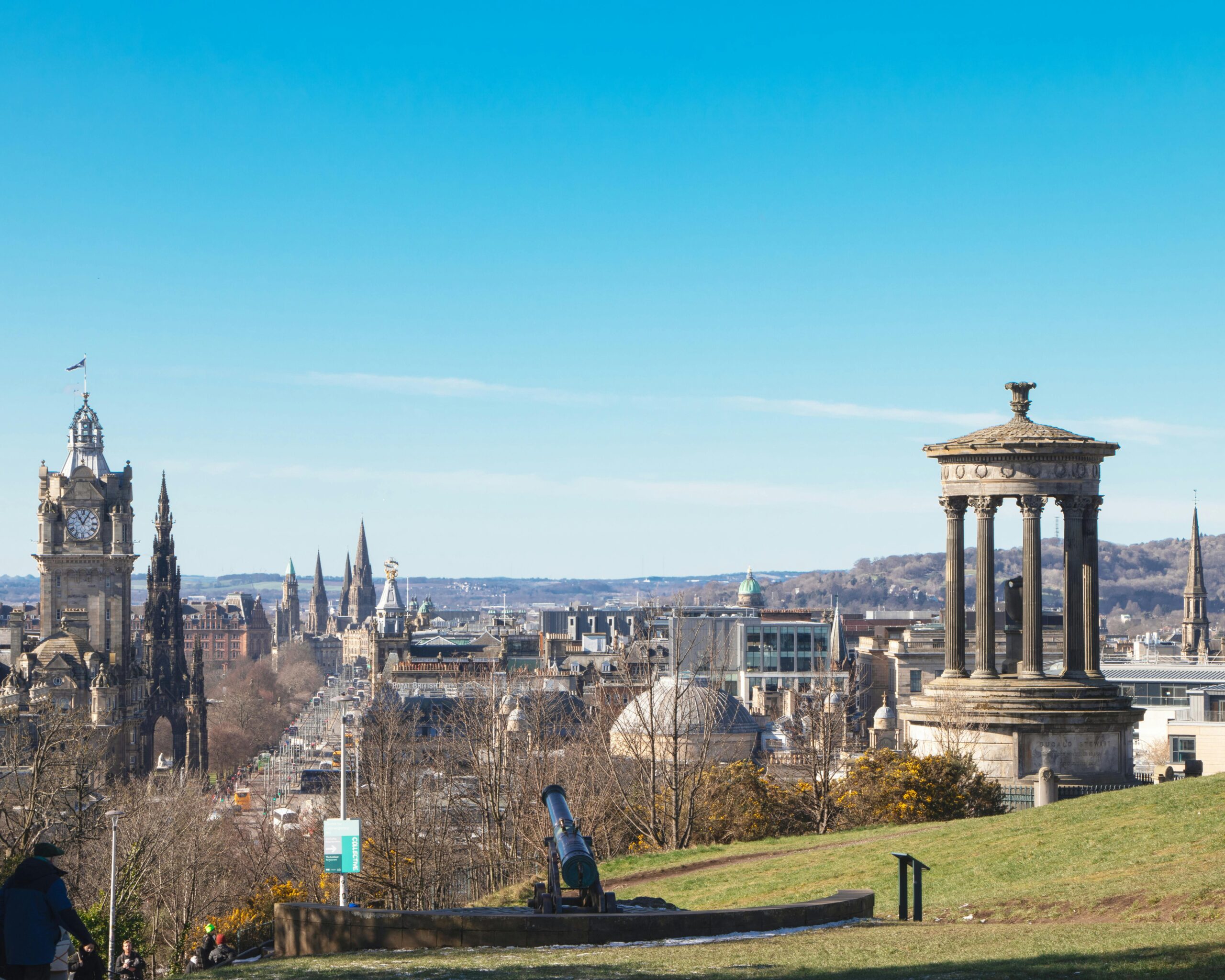
Scotland has enabled a more uniform framework for second-home taxation, but the effect has been no less consequential. Since April 2024, councils have been allowed to charge up to 200% Council Tax on second homes, and in Edinburgh that option has been fully exercised. A home that would normally attract an annual Council Tax bill of around £2,400 now faces a charge closer to £4,800 (≈€5,540) if classified as a second home. The importance of the move lies less in the absolute figure than in the precedent it sets. Edinburgh is not a seasonal resort or a peripheral market; it is a capital city with chronic affordability pressures. By normalising the double rate, the city is explicitly redefining second homes as a non-preferred use of scarce urban housing stock.
France: Paris and the Expansion of High-Pressure Housing Zones
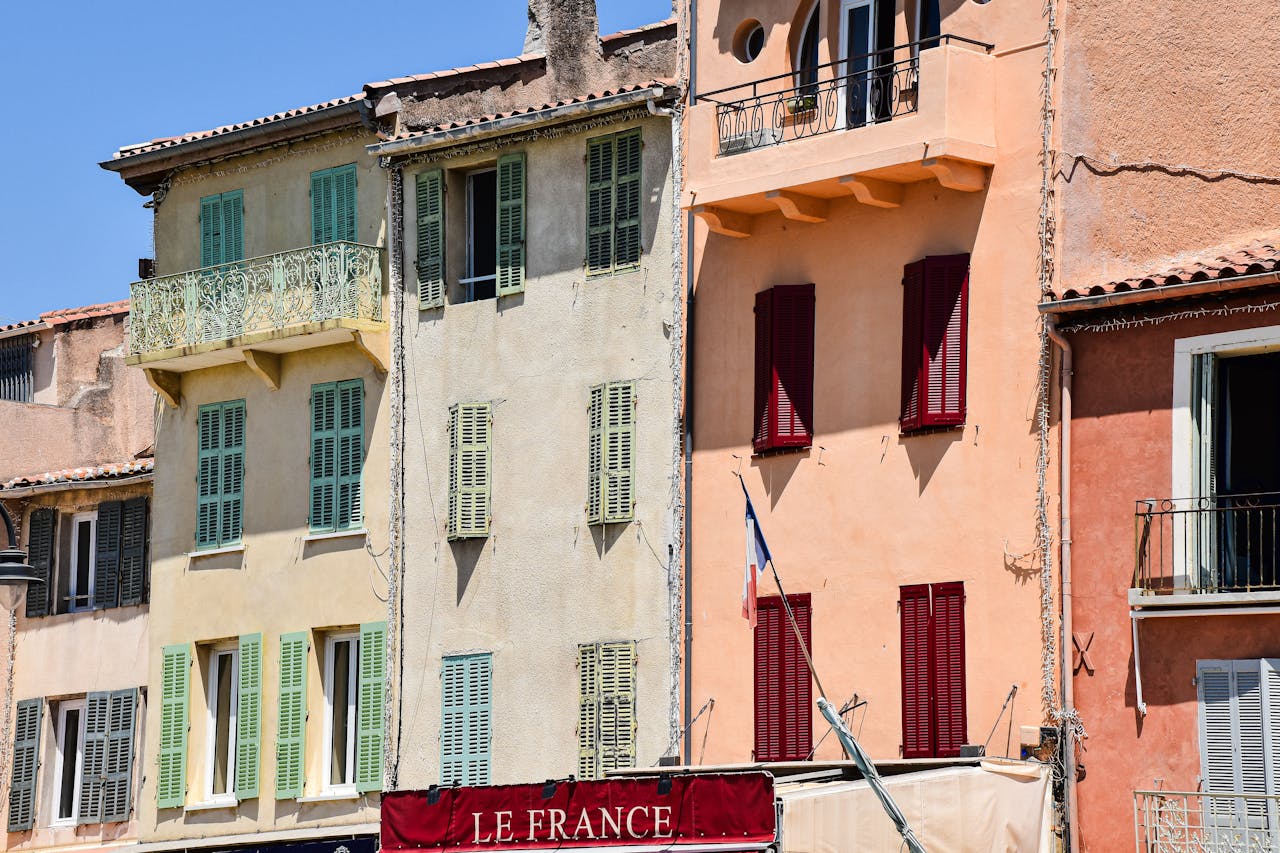
France reaches a similar destination through a different fiscal architecture. While the taxe d’habitation has been abolished for primary residences, it remains in force for second homes, and municipalities in designated high-pressure areas are permitted to apply locally determined surcharges. In Paris, that surcharge has been set at the legal maximum of 60%. Because the tax is calculated using an administratively defined rental value rather than market price, costs vary by district, but for many centrally located apartments the increase adds several thousand euros per year to an already material bill.
Paris is no longer an exception. The French government has expanded the list of housing-constrained municipalities, allowing cities such as Lyon, Bordeaux, and Nice to apply similar measures. The effect is a widening fiscal net that increasingly isolates second homes as a distinct and more heavily taxed category across much of the country.
Spain: Local Taxes and Vacancy Rules Replace a National Model

Spain does not operate a single nationwide second-home tax, but pressure on non-primary residences is rising through a combination of local property taxation, vacancy enforcement, and regulatory restrictions rather than a single formal surcharge. In Barcelona, second homes face higher effective costs through the municipal property tax (IBI), fines for prolonged non-use, and some of Europe’s strictest limits on short-term rentals. For owners in central districts, this combination has transformed occasional-use apartments into steadily rising annual liabilities rather than passive assets.
A similar dynamic is emerging in Valencia, where fiscal tools and housing-stress measures are increasingly applied together. While tax outcomes vary by property, the direction is clear: under-used housing is becoming financially harder to justify in Spain’s largest urban markets.
Netherlands: Second Homes Priced Out Through Cost Stacking
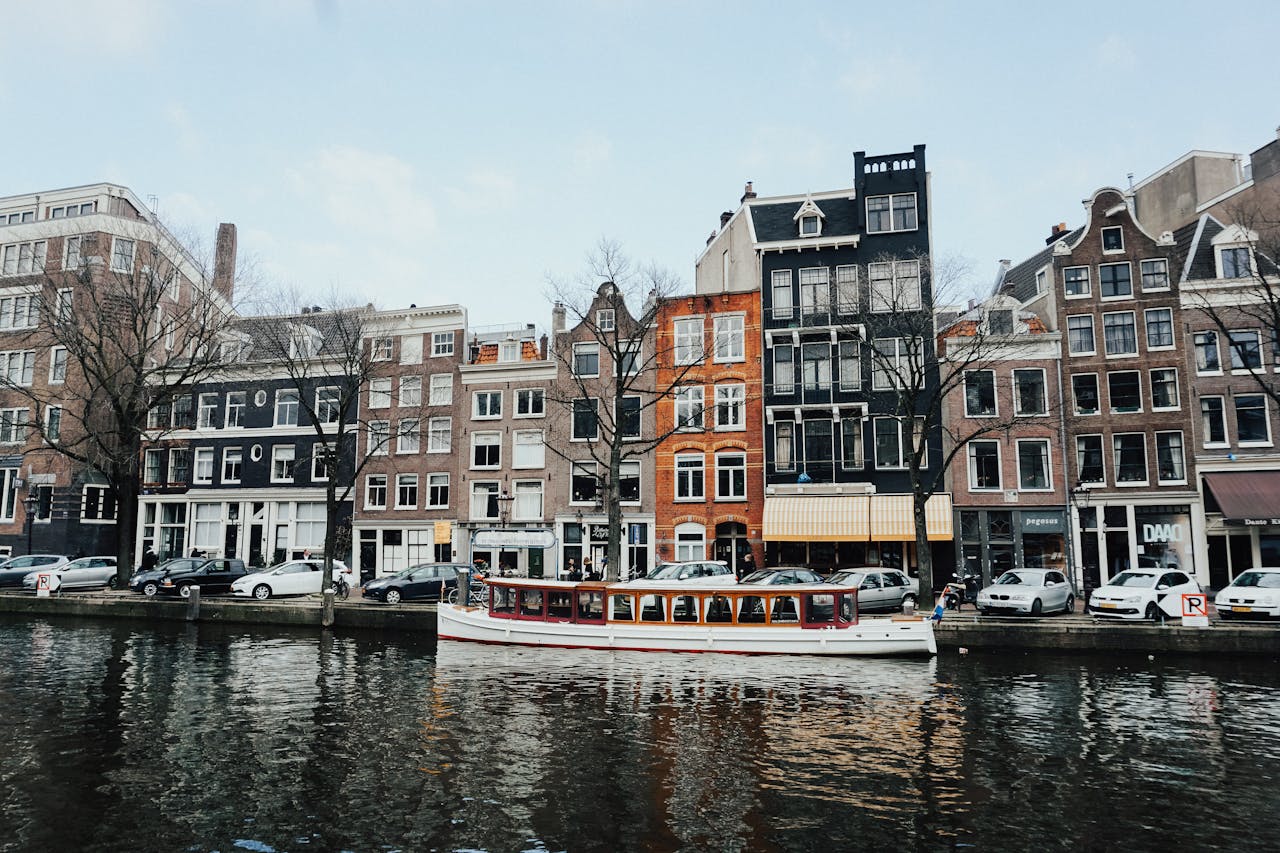
The Dutch approach avoids a single headline surcharge but achieves a comparable outcome through cumulative fiscal and regulatory pressure. In Amsterdam, second homes are discouraged through higher transfer taxes for non-occupiers, strict buy-to-let restrictions, and municipal vacancy regulations that favour permanent residence. Non-owner-occupiers face materially higher costs at acquisition, followed by ongoing charges that penalise under-use. For second-home buyers, the financial burden is embedded across the entire lifecycle of ownership, producing an outcome similar to explicit second-home taxes elsewhere in Europe, even if it is less visible in any single line item.
Switzerland and Austria: Alpine Markets Close the Door
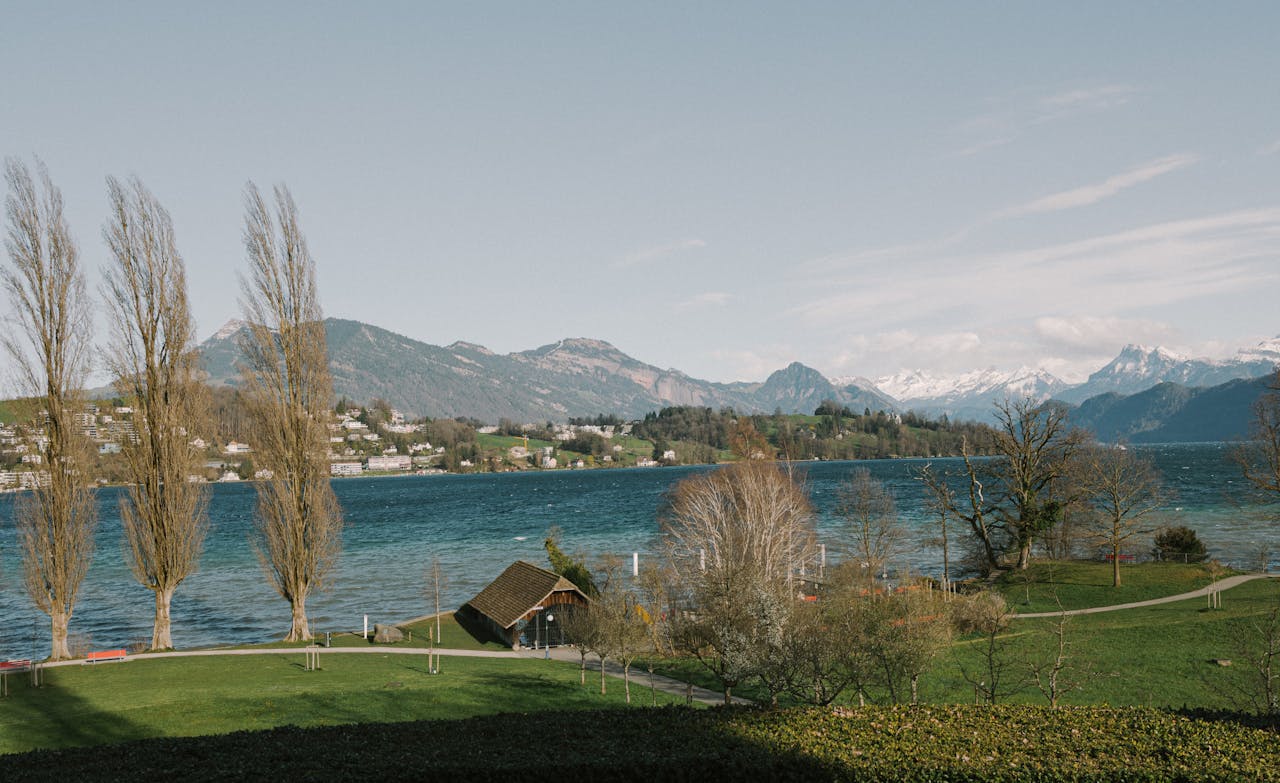
In Alpine Europe, the pressure on second homes is structural and regulatory rather than purely fiscal. Switzerland restricts non-primary residences through hard caps under the Lex Weber framework, combined with local taxation and planning constraints. In resorts such as St. Moritz, second homes are scarce, expensive to hold, and increasingly illiquid, with annual local taxes, higher transaction costs, and limited rental flexibility reinforcing the message that non-primary ownership is tolerated only within narrow limits. Austria follows a comparable path in tourist regions such as Tyrol and Salzburg, where higher local taxes and, in some cases, special permit requirements treat second homes as an exception rather than a default use of residential property.
Vancouver: When the Cost Is Tied Directly to Asset Value
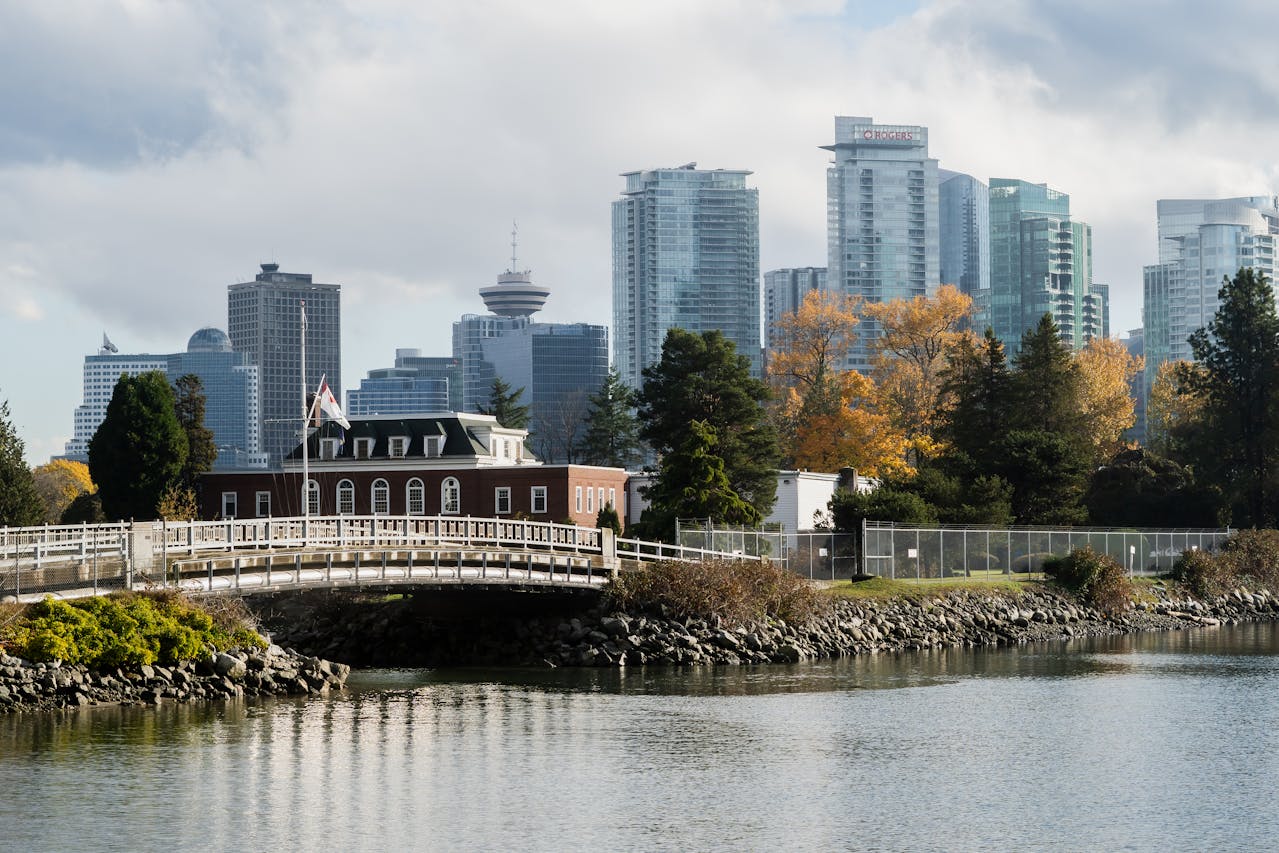
If European cities are tightening pressure through layered fiscal tools, Vancouver illustrates the most uncompromising model. The city’s Empty Homes Tax is set at 3% of assessed property value for homes deemed vacant or under-used, a definition that in practice captures many second homes. For a property assessed at C$1 million, the annual charge reaches C$30,000 (≈€18,500), dwarfing typical European surcharges. Because the tax scales directly with value, higher-end properties face recurring five-figure euro liabilities simply for remaining under-used, turning passive ownership into an explicitly priced policy choice.
What This Means for Buyers and Investors
Across markets, the direction is no longer ambiguous. Cities are attaching recurring costs to second-home ownership explicitly to change behaviour rather than merely raise revenue. For lifestyle buyers, the second home is becoming a luxury with a visible annual price tag; for investors, passive holding is losing its economic logic in favour of active use or exit. For governments, these measures have evolved into core housing-policy instruments rather than marginal fiscal tweaks. The era of the lightly taxed second home — particularly in major cities and high-pressure regions — is ending, replaced by a system in which owning housing without occupying it remains legal, but no longer cheap.